
Assets of Community Value
Introduced by the Localism Act 2011, Assets of Community Value (ACVs) are areas of land or buildings that are recognised for their importance in furthering the local community’s interests or social wellbeing. The regime allows local groups to make offers to purchase the properties before a sale is completed.
Listing of Assets
- Governed by The Assets of Community Value (England) Regulations 2012 and the Localism Act 2011.
- Provides the local community with the right to bid for and buy valuable local assets.
- A building or land can be listed as an ACV if the local authority thinks its primary use is to further social wellbeing or community interests, or if it has the potential to do so in the next five years.
- The asset must have had this use in the ‘recent past’.
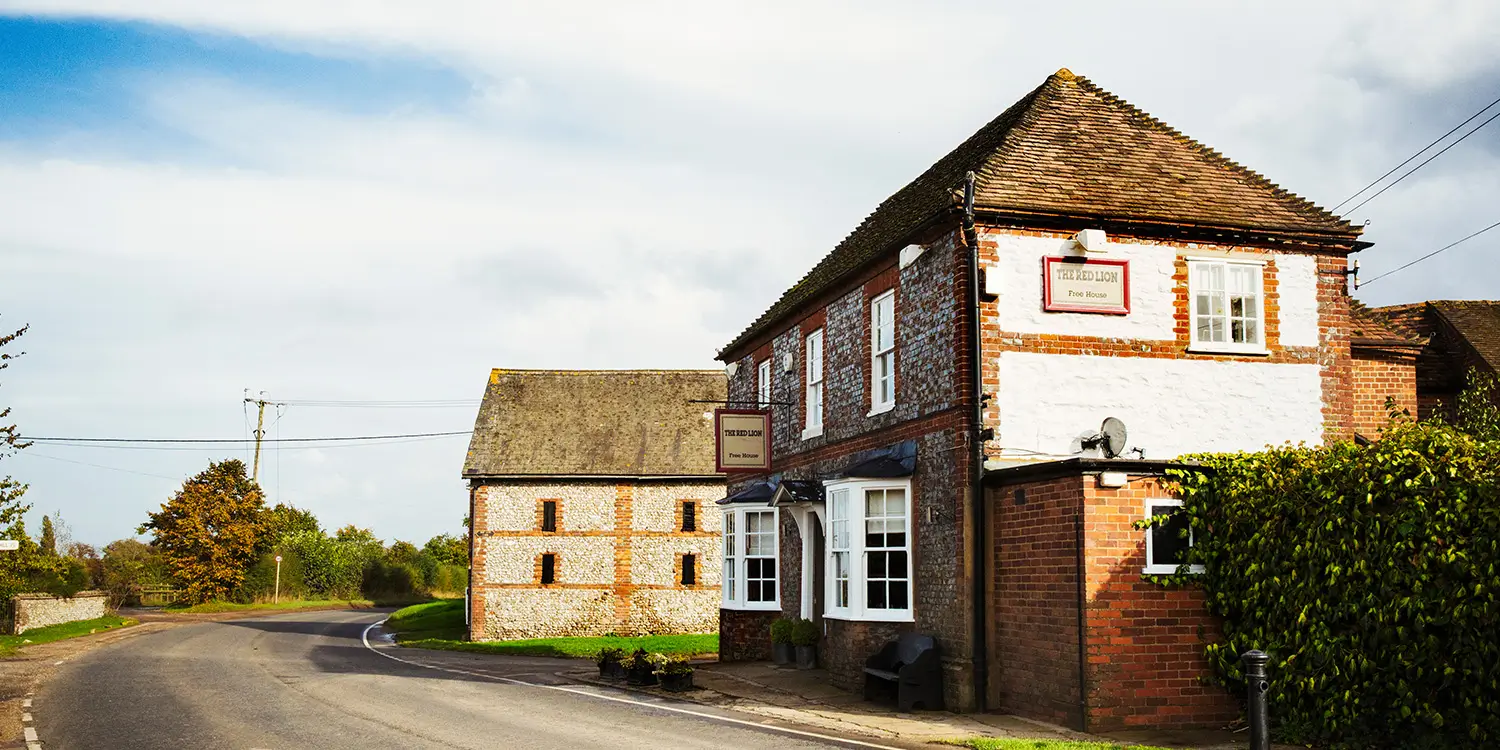
- We have seen pubs, village halls, school fields, nature reserves and car parks listed as ACVs.
The local authority must notify the owner of the property as soon as practicable after the decision to list it as an ACV.
What it means for the owner of the ACV
- When you want to sell your property, you must notify the local authority. This triggers an interim moratorium (postponement on the sale) period of six weeks, during which local community interest groups may express intent to bid.
- If a group (i.e., more than 20 people) expresses interest, you must then observe a full moratorium period of six months to allow time for groups to bid.
- Once the six-month moratorium has ceased, you have a ‘protected period’ of 18 months from the date of notification during which you can sell without triggering another moratorium.
- Whilst you must allow the above steps to run their full course, you are under no obligation to sell to local groups.
Further considerations
- Whilst the listing and restrictions on owners are government-mandated, we have seen that courts generally defer to local authorities’ discretion in interpreting ‘recent past’ and the scope of furthering social wellbeing and community interests.
- If a legally enforceable contract was exchanged prior to listing as an ACV, it will qualify as an exempt disposal, allowing you to proceed with no moratorium.
- The moratorium rules apply only to relevant disposals.
Protect Your Community Assets with Expert Legal Support
Understanding Assets of Community Value can be complex, especially when it affects your property rights or local community interests. Our experienced solicitors in Dorset can guide you through the process, whether you’re a property owner or a community group. To discuss your situation and get tailored advice, call us today on 01305 771000 or visit our contact pages for our Dorchester, Bridport, Weymouth, or Portland offices.
Related Articles You May Find Useful

Listed Building Consent & Conservation Area Guide
Buying or selling a listed property? This guide explains listed building consent, conservation areas, planning rules, and the risks of unauthorised works, helping you avoid

My First Year as a Trainee Solicitor in Dorset
Gus Johnson reflects on his first year as a trainee solicitor at Nantes Solicitors in Dorset. From Private Client to Property, he shares lessons in