
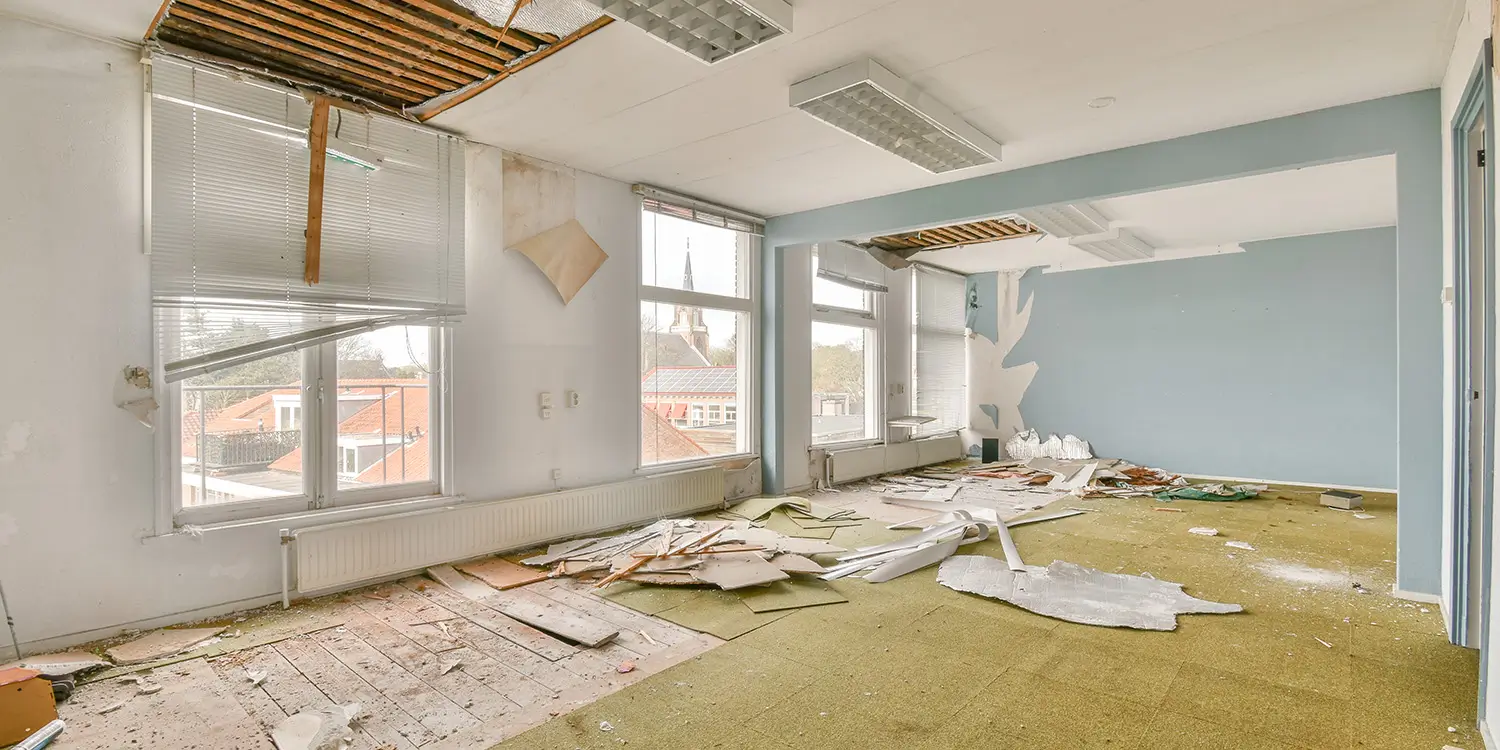
Commercial Property Improvements in Dorset: What Every Business Tenant Needs to Know
Improvements to commercial premises can considerably increase a business’s productivity and appeal. This guide provides an overview of the various legal aspects that need to be considered by business tenants when considering improvements and alterations to their premises.
The Lease
A lease agreement is fundamental to any Landlord and tenant relationship, and that is no different when dealing with business tenants. Care should be taken to ensure that any procedures under the lease are observed and that the alterations do not create a trespass, for example by altering a structure which does not form part of the area actually let.
However, tenants of commercial premises that is used for professional purposes or trade business often aren’t aware that they have statutory rights under the Landlord and Tenant Act 1927 to carry out improvements even where a lease prohibits or restricts them.
The Landlord and Tenant Act 1927 Section 3
Section 3 of the Landlord and Tenant Act 1927 enables a business tenant to carry out improvements which are prohibited by his lease, and which improve the letting value of the premises. If the landlord does not grant this permission, the tenant can apply to the court for permission. It the improvements meet the following criteria, the Courts are able to authorise them:
- The improvements increase the letting value of the premises on termination.
- The improvements are reasonable and in character.
- The improvements will not diminish the value of any other property belonging to the Landlord.
The use of section 3 requires a procedural process which needs to be complied with carefully. This I why it is recommended to obtain legal advice if you are thinking about going through this process. It should be noted however that if the tenant uses this procedure, the landlord can just do the work themselves and increase the rent.
The Landlord and Tenant Act 1927 Section 19 (2)
Section 19 (2) adds a provision to stop Landlords from preventing alterations to the property without reasonable cause. There are situations where prohibiting alterations is considered reasonable:
- The Landlord can charge a reasonable sum to cover any damage to or diminution in the value of the premises or neighbouring property of the Landlord;
- The Landlord can charge for legal and other expenses it incurs in connection with the consent;
- If the improvement does not add to the letting value of the premises the Landlord can, if it is reasonable to do so, require the tenant to reinstate.
This provision is in place to try and balance the interests of Landlord and tenant. Generally, most alterations made by a tenant are going to be improvements, therefore it is difficult for Landlords to withhold consent reasonably. As it is difficult for a Landlord to prevent alterations altogether, reasonable compensation is often the correct approach to cover the fall in value.
Compensation for Tenants
Using Section 3 of the Landlord and Tenant Act 1927 also comes with the possibility of tenants being entitled to compensation for the improvements made that have added value to the property. This is where complying with the procedural requirements is vital as the Court will make the decision on whether compensation is payable. The procedural requirements are as follows:
- First, the tenant should give written notice to their landlord of their intention to carry out alterations to the property. The Landlord and Tenant Act 1927 should be mentioned in this notice, specifically stating that the tenant is exercising their rights under this Act. Compensation may not be payable if this is not mentioned.
- After the written notice is given, the Landlord has three months in which to object. If the Landlord does reject, the matter will then go to the County Court. If the Landlord doesn’t object, the alterations may go ahead.
- Once the alterations have been completed, the tenant should request from the Landlord a certificate to state that the alterations have been duly completed. This will be important when claiming for compensation. The tenant can apply to the court for the certificate if the Landlord is not providing one.
During the process of claiming for compensation, the courts will factor in the additional value placed on the property as a result of the improvements made, and they will also look at how reasonable the costs of carrying at the improvements were.
However, if the Landlord offered to do the work in return for a reasonable increase in the rent, the Court would not certify the improvement as being proper, and therefore will not issue compensation. Also, the timing for claiming compensation towards the end of the lease is very procedural and needs to be complied with, otherwise the compensation will be lost. The notice of claim for compensation and its amount must be made:
- Within 3 months after a notice to quit from the Landlord (s 25 notice), or
- Within 3 months after a notice from the tenant claiming a new tenancy (s 26 request), or
- Within 3 months after forfeiture, or
- Between six months and three months before the lease ends by the lease merely running out (assume that would include the exercise of a break right).
Compensation is only payable upon rejecting the new lease. If the tenant decides to take a new lease, the compensation cannot be carried over to the new lease and is therefore lost.
Choose Nantes Solicitors for Expert Commercial Property Services in Dorset
Looking for expert legal guidance on your commercial property needs in Dorset? Nantes Solicitors offers tailored advice and specialist support for businesses across the region. Whether you’re negotiating a lease or making property improvements, our team of commercial property law experts will ensure your interests are fully protected.
With offices in Bridport, Dorchester, Portland, and Weymouth, we’re your local specialists for commercial lease matters. Contact us today on 01305 771000 to discuss how we can assist with your commercial property requirements.
Related Articles You May Find Useful


Renters’ Rights Act: Dorset Landlord Checklist 2026
The Renters’ Rights Act 2025 has changed how Dorset landlords manage rent increases, evictions, pet requests and compliance. Here is what landlords should check in

Listed Building Consent & Conservation Area Guide
Buying or selling a listed property? This guide explains listed building consent, conservation areas, planning rules, and the risks of unauthorised works, helping you avoid